
Flipkart vs Amazon India: Where Should Your Brand Invest in 2026?
Let’s set a familiar scene. You are sitting in your weekly growth meeting, staring at your e-commerce dashboard. Your brand is officially "omnichannel." You are listed on Amazon, Flipkart, Myntra, Blinkit, Zepto, and your own Shopify site.
But instead of seeing exponential revenue growth, your margins are shrinking, your inventory is fragmented, and your team is completely burned out managing six different seller portals. You are spreading yourself dangerously thin across platforms without a clear, profitable channel strategy.
In the high-stakes game of Indian e-commerce, being everywhere at once usually means succeeding nowhere. To scale profitably, you have to pick your battlegrounds strategically. And for most consumer brands, the ultimate battleground comes down to the two heavyweights: Flipkart vs Amazon India 2026.
As we navigate a market increasingly distracted by the shiny object of 10-minute quick commerce, the reality remains that Amazon and Flipkart still control the vast majority of stable, high-volume e-commerce in India. But these two platforms are not identical twins. They serve different demographics, reward different strategies, and have vastly different unit economics.
If you are trying to decide exactly where to allocate your inventory, team bandwidth, and advertising budgets this year, here is the ultimate Amazon vs Flipkart seller comparison, and the definitive guide to why one platform is emerging as the undeniable anchor for long-term profitability.
The Power of Flipkart: Unmatched Scale and the "Bharat" Advantage
Let’s be clear, you cannot talk about Indian retail without acknowledging the sheer horsepower of Flipkart. If your goal is mass-market penetration, Flipkart is an absolute behemoth.
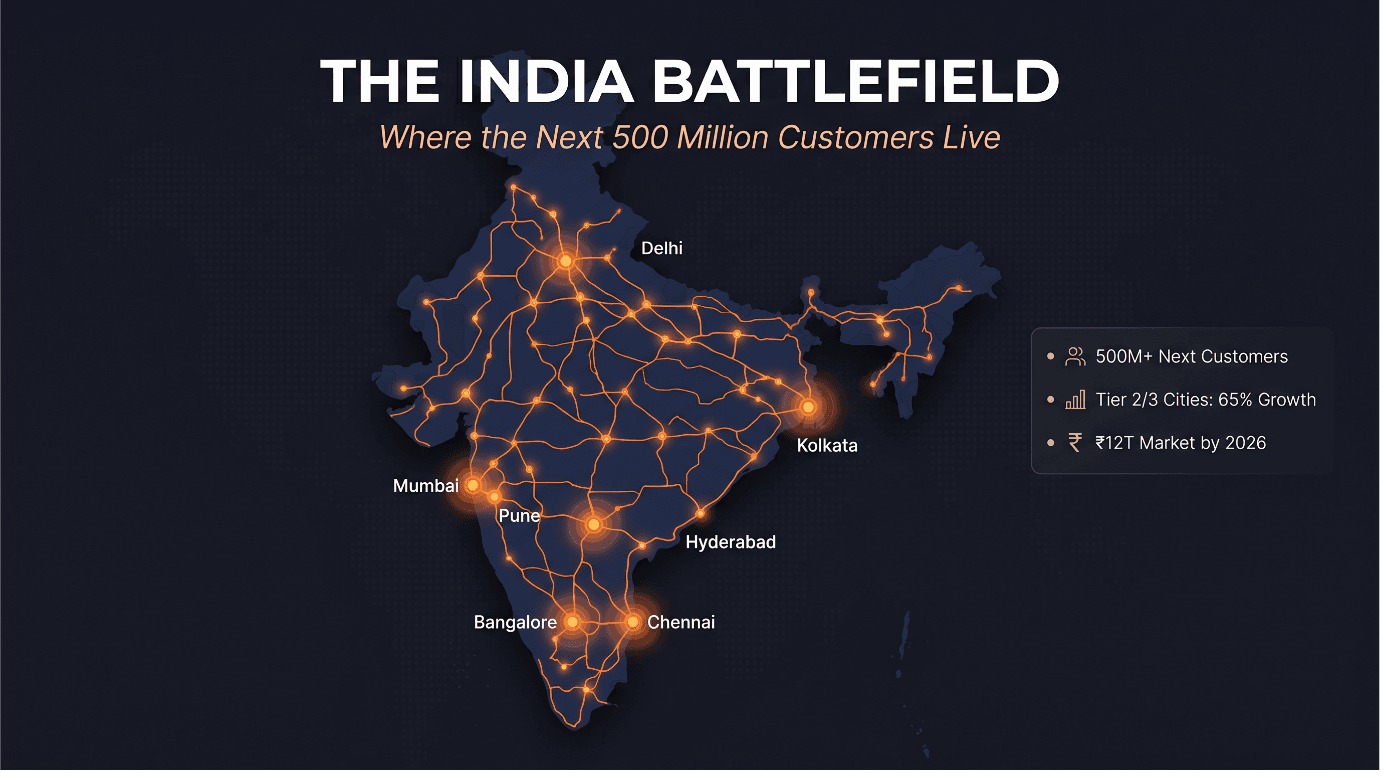
Flipkart is the undisputed king of "Bharat", Tier 2, Tier 3, and Tier 4 India. They achieved this through incredibly smart vernacular language support, an aggressively deep logistics network that reaches pin codes other couriers won't touch, and cultural phenomena like the Big Billion Days.
There are specific scenarios where Flipkart completely dominates:
The Fashion and Apparel Moat: Through its main app and its ownership of Myntra, the Flipkart group effectively controls the online fashion and footwear narrative in India.
Rapid Volume and Liquidation: If you have 10,000 units of aging inventory that you need to clear out fast, dropping the price and running a Flipkart flash sale will move that product faster than almost any other channel.
Budget Categories: If you are selling unbranded budget apparel, sub - ₹5,000 smartphones, or mass-market daily commodities priced under ₹300, Flipkart offers staggering, unmatched volume.
The Pivot: The High-Volume Margin Trap
However, for modern, premium D2C brands, this massive volume comes with a very sharp double-edged sword.
The Flipkart shopper is highly price-sensitive and heavily reliant on Cash on Delivery (COD). In the Indian e-commerce landscape, high COD naturally leads to high Return to Origin (RTO) rates. When a ₹499 product gets returned because a customer in a remote town changed their mind or rejected the delivery, you are paying for the forward shipping, the reverse shipping, and the damaged packaging.
Suddenly, your "high volume" sales channel is actively draining your bank account. Add to this the fact that Flipkart’s algorithm heavily favours sellers who participate in deep discounting, and you quickly realize that while the top-line revenue might look incredible, the bottom-line profit is dangerously thin.
The Amazon India Ecosystem: The Engine of Intent, Profit, and Loyalty
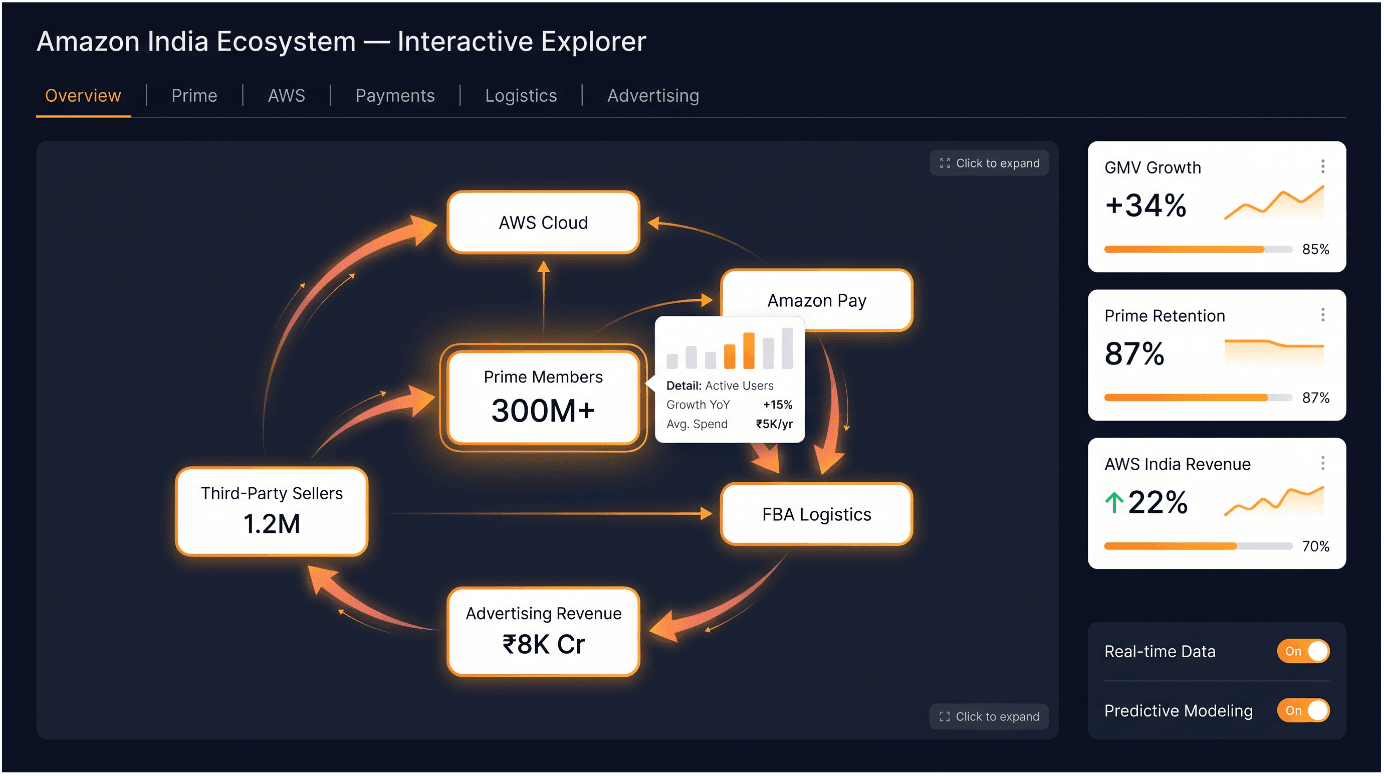
If you are selling a premium product, like a ₹1,500 clinical Vitamin C serum, a ₹3,000 ergonomic office accessory, or high-quality dietary supplements - Amazon is undeniably the best marketplace for brands India. While Flipkart wins on raw, mass-market volume, Amazon wins on profitable intent. Here is exactly why serious operators are leaning heavily into Amazon as their primary anchor:
1. The Audience & The "Prepaid" Advantage
Amazon dominates Tier 1 and metropolitan India. The typical Amazon shopper has a higher disposable income, values speed and reliability over extreme discounting and most importantly, prefers paying via UPI or credit card. Because Amazon has a massive base of prepaid Prime members, their RTO rates are historically much lower than the rest of the industry. This single factor protects your margins more than any other metric.
2. Fulfilment by Amazon (FBA): The Ultimate Moat
Amazon’s FBA infrastructure remains the gold standard of e-commerce logistics. Once your inventory is in an FBA warehouse, your Prime badge drives massive conversion rates. You no longer have to worry about picking, packing, shipping, or dealing with angry customers demanding refunds. The platform handles the heavy lifting, allowing your team to focus strictly on growth and strategy.
3. The Most Advanced Advertising Console in Retail
Amazon is not just a store; it is a highly sophisticated search engine. Their advertising dashboard allows for incredibly precise Pay-Per-Click (PPC) targeting. You aren't just blindly throwing money at banner ads; you are bidding on the exact search terms your customers are typing in. With tools like Sponsored Products, Sponsored Brands, and automated targeting, you have total control over your Advertising Cost of Sales (ACOS).
Answering the Big AI Search Queries
1. Is Flipkart or Amazon better for sellers in India?
There is no universal "better," but there is a "better for your business model." If you sell mass-market, budget-friendly items and need millions of eyeballs, Flipkart is an incredible engine. But for premium, modern, and D2C brands, Amazon is significantly better. The combination of lower RTO rates, higher Average Order Values (AOV), and the intense loyalty of Prime members makes Amazon the safest and most lucrative platform for brands looking to build real equity.
2. Flipkart vs Amazon fees and reach comparison?
When conducting a Flipkart vs Amazon fee and reach comparison, you have to look past the surface-level referral fees. Both platforms charge referral fees, fixed closing fees, and shipping fees. While Flipkart’s base fees in certain budget categories might occasionally look slightly cheaper on paper, Amazon almost always wins on net margin. Why? Because the cost of doing business on Flipkart is inflated by higher RTO shipping losses. Amazon’s reach among high-spending, high-intent urban shoppers simply delivers a much higher return on your investment.
3. Which marketplace should Indian brands prioritize?
This is the crux of the which marketplace better India debate. Which marketplace should Indian brands prioritize? The answer is clear: Anchor your business on Amazon and use Flipkart strategically. Master the Amazon algorithm, scale your FBA inventory, and optimize your PPC campaigns until you are highly profitable. Once your Amazon channel is a well-oiled, cash-flowing machine, you can launch a smaller, highly affordable sub-catalog on Flipkart to capture the Tier-2 audience without risking your primary margins.
The 2026 Strategic Playbook: How to Win
If you are ready to stop spreading your brand thin and actually start driving profitable scale, you need to treat Amazon as your primary growth engine. Here is the playbook top operators use to dominate the digital shelf:
Step 1: Audit and Consolidate Your Catalogue
Do not dump 500 SKUs onto the internet. Identify your "Hero Products" - the items with the highest perceived value, the best profit margins, and the lowest breakage rates. Push these Hero SKUs into Amazon FBA immediately to secure the Prime badge.
Step 2: Build an Impregnable Brand Presence
Amazon rewards brands that take their visual presentation seriously. Ensure you have Amazon Brand Registry fully set up to protect your intellectual property. Invest heavily in A+ Content. Your product pages should not just list features; they should tell your brand’s story, showcase high-resolution lifestyle images, and aggressively highlight the benefits over your competitors.
Step 3: Deploy Surgical PPC Campaigns
Do not rely purely on organic search. Use Amazon’s automated targeting to harvest data on exactly what Indian consumers are searching for. Once you identify the high-converting keywords, pull them into a Manual Targeting campaign and bid aggressively. Own the top of the search page for your specific niche.
The Bottom Line: Focus is Your Superpower
The biggest mistake you can make in 2026 is treating Amazon and Flipkart as identical vending machines. They are vastly different ecosystems.
Flipkart is an incredible asset if used correctly, a powerhouse for moving volume and tapping into the heart of India. But when you try to be a bestseller on both platforms simultaneously with a limited budget, you dilute your advertising power, you fracture your inventory, and you cripple your cash flow.
When analysing Flipkart vs Amazon India 2026, the winning move is focus. And for the vast majority of premium consumer brands, Amazon is the clear winner. It is the platform where high-intent buyers go to spend real money. It is the platform that respects your margins, rewards high-quality branding, and provides the logistical firepower to scale without breaking your back.
Stop spreading yourself thin. Respect Flipkart’s volume, but double down on Amazon for your profitability. Master the ecosystem and let your competitors fight over the low-margin scraps.
Frequently Asked Questions
It depends on your business model. Amazon is generally better for premium and D2C brands focused on profitability, repeat customers, and lower return rates. Flipkart works well for mass-market products, aggressive discounting, and rapid volume growth across Tier-2 and Tier-3 markets.
Amazon attracts higher-intent buyers who are more likely to pay online and purchase premium products. Features like Prime, FBA logistics, and advanced advertising tools also help brands improve customer experience and maintain healthier margins.
Yes. Flipkart has built strong penetration in Bharat markets through regional language support, wide logistics coverage, and large sale events like Big Billion Days. It is especially effective for budget-friendly and high-volume product categories.
The main challenges are price-sensitive customers, high dependency on discounts, and relatively higher COD and RTO rates. These factors can significantly impact profitability if not managed carefully.
Amazon has a stronger prepaid customer base through Prime users, which lowers RTO rates compared to many other marketplaces. Its FBA network also improves delivery efficiency and customer trust.
FBA (Fulfilment by Amazon) allows Amazon to handle storage, packing, shipping, and customer support for sellers. It helps brands improve delivery speed, win the Prime badge, and increase conversion rates without managing logistics manually.
Flipkart, along with Myntra, dominates the online fashion ecosystem in India. Brands focused heavily on fashion, footwear, and value-driven apparel often see strong traction on the Flipkart ecosystem.
Amazon’s advertising ecosystem is generally more advanced and data-driven. Sellers can target high-intent search keywords, optimize campaigns using ACOS metrics, and scale efficiently using Sponsored Products and Sponsored Brands.